
Champagne and Cheese: A New Heavenly Alliance
The term «Brut Nature» defines the driest style of the renowned sparkling wine from the region in France. «Brut» typically means dry, but Brut Nature takes it a step further: after the second fermentation, known as dosage or sugar adjustment, no sugar is added.
The residual sugar content is only 3 grams per liter, resulting in an extremely dry, linear finish. By comparison, a classic Brut champagne can have up to 12 grams of sugar per liter, Extra Brut up to 6 grams per liter — the Brut Nature (also known as «Zero Dosage» or «Pas Dosé») tastes much leaner, much more purist than its softer counterparts.
Grapes, Terroir, Winemaker
Without the sweetening dosage, Brut Nature champagnes reveal pure, honest grapes, terroir, and winemaker. Lovers of this style appreciate its clear minerality, high acidity, and precise fruit, unclouded by sweetness.
Champagnes used to be extremely sweet — 150 years ago, more than 100 grams per liter was the norm!
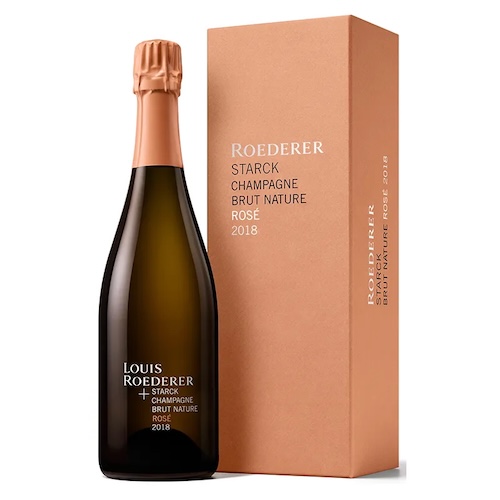
Favorite 1: Louis Roederer – Brut Nature Rosé 2018. (Image: supplied)
Purity in the glass
Today, however, Brut Nature is an argument against current drinking culture: purity in the glass, free from the «makeup» of added sugar. But such a style also demands virtuosity, because without dosage, flaws or deficiencies are laid bare.
When everything comes together, Brut Nature pampers us with amazing finesse and a clear, invigorating tasting experience — the essence of champagne itself.
The rebirth of Brut Nature
In recent years, Brut Nature has evolved from a niche into a fascinating trend segment in champagne. A shifting zeitgeist and climate create favorable conditions for this rebirth: climate change means riper grapes with less acidity, so winemakers can more often do without sugar additions or reduce them. At the same time, interest in «more natural» wines is growing.
A trend toward ever drier flavor profiles — partly driven by sommeliers and wine enthusiasts — has led demand for top Brut Nature champagnes to rise by 700 percent in the past ten years. Many wine drinkers now seek the true expression of terroir and like that these champagnes are lower in sugar and calories.
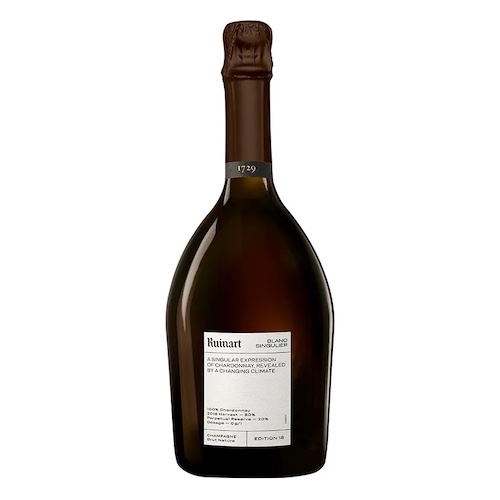
Favorite 2: Ruinart – Blanc Singulier Edition 18 Brut Nature. (Image: supplied)
A production trend
The shift also has economic significance. Although the classic Brut segment (up to 12 grams per liter dosage) still accounts for about 80–95 percent of champagne sales, Extra Brut and Brut Nature continue to gain market share.
More and more champagne houses are adding a zero-dosage cuvée to their portfolios. Market leader Moët & Chandon, for example, only launched its first Brut Nature in 2023 — after 280 years of company history.
From Roederer to Ruinart
Even prestige houses like Louis Roederer have worked with a star designer (Philippe Starck, in this case) on new Brut Nature editions, recently releasing the new 2018 cuvées (blanc & rosé). Laurent-Perrier, which first introduced the celebrated Ultra Brut in 1981 and then a Brut Nature Blanc de Blancs in 2018, was a pioneer with a «Grand Vin Sans Sucre» back in 1889. And Ruinart has introduced its Blanc Singulier Brut Nature, new Blanc de Blancs designed for gastronomy, to highlight the style change driven by climate.
The movement is not only driven by big brands. Ambitious grower-producers are also pushing the category forward: houses like Drappier or Larmandier-Bernier have been producing impressive zero-dosage champagnes for years.
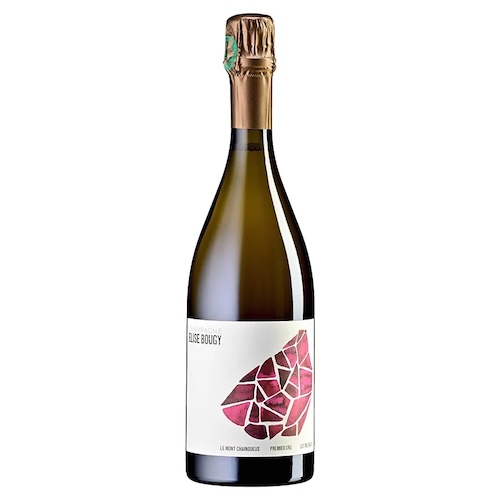
Favorite 3: Élise Bougy – Le Mont Chainqueux Blanc de Noirs Premier Cru Brut Nature. (Image: supplied)
A connoisseur’s product
Many small producers too, such as Alexandre Lamblot, Elise Bougy, Cedric Moussé, Alexis Leconte, Girard Bonnet, Clément Piconnet, and many more do not add any dosage to their wines.
It is a dynamic that proves Brut Nature is much more than a short-lived fad. It remains a connoisseur’s product — champagne without residual sugar is a demanding taste and one that has conquered a more sophisticated market.
Combining depth and pleasure
Industry insiders themselves acknowledge that raw Brut Nature is not for everyone. But this very challenge drives producers. Thanks to extended lees aging and careful blending, more and more Brut Natures are able to combine depth with pleasure. The result: fascinating, super-dry sparkling wines that also shine as food companions.
A trendy premium product
Demand is rising, especially in high-end gastronomy and export markets. Japanese sommeliers, for example, have specifically sought out Brut Nature champagnes to best accompany delicate dishes (like sushi and sashimi).
Thus, Brut Nature is not just a style statement but also economically interesting: it allows houses to position themselves with a trendy product in the premium segment and win new fans.
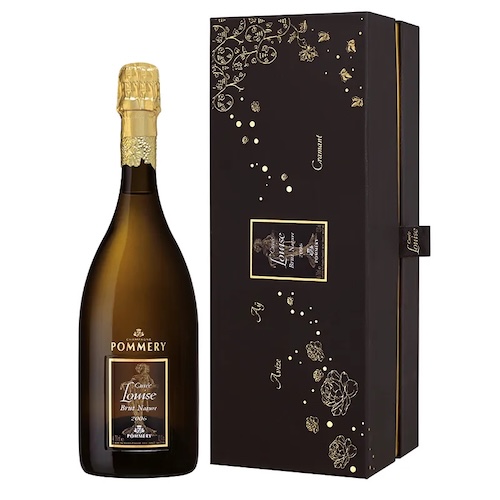
Favorite 4: Pommery – Cuvée Louise Brut Nature 2006. (Image: supplied)
So, with cheese
Brut Nature is now also gaining considerable attention as a brilliant cheese companion. It might not be the most obvious pairing, but it is a heavenly one.
In fact, many sommeliers believe that cheese pairs better with champagne (especially dry styles) than with traditional red wines. Red wine and cheese — a frequently served combination, but not the best one, says world champion sommelier Marc Almert to finews.com.
Vibrant fizz
Bitter and salty — cheese brings both. With the popular but problematic combination with red wine, tannins multiply, and the sweetness perception of these wines at best becomes blurred. This problem is elegantly avoided with a Brut Nature champagne: usually tannin-free and lacking in sweet ballast, but with high acidity and lively bubbles.
These properties have several sensory effects on cheese pairing:
- Fresh acidity and fine, prickling bubbles act as palate cleansers. They cut through the fat and salt of the cheese and «help break up the richness». A bite of creamy cheese is followed by a sip of Brut Nature to create new appetite — it essentially clears the palate and prepares it for the next bite.
- No sweetness, no fuss: The complete dryness of Brut Nature eliminates flavor conflicts. Sweet wines with salty cheese can seem metallic or harsh, but Brut Nature allows the delicate aromas of the cheese to remain undisturbed. Incidentally, the salt in the cheese also brings out the fruit and richness in the wine — a well-made Brut Nature can thus appear rounder when the cheese finds its way across the palate.
- Aromatic synergy: Many Brut Nature champagnes have nutty, bready (from brioche to toasted), mineral notes due to long lees aging. Naturally, these are aromas that have a true kinship with cheese. These brioche or toasted nut notes, perhaps even a hint of what the French call «cellar» in champagne, speak so well to the umami-rich spiciness of aged cheeses. The taste in the mouth becomes more seamless and complex.
- Temperature and texture: Champagne is served cold (9-10 degrees Celsius!) and is sparkling — a beautiful counterpoint to the soft, creamy, oily texture of many cheeses. The fizz enlivens the mouth. It also enhances the cheese mixture, making it softer and more elegant — something sophisticated gourmets greatly appreciate.
In other words: Brut Nature champagne is a clear, taut counterpoint to the opulent creaminess of most cheeses. The sensory harmony — cool acidity, clean dry base, tiny bubbles, and complex nose — also makes it a perfect «sparring partner» for challenging cheese courses. No wonder cheese experts and sommeliers increasingly recommend the combination.
The perfect sparring partner
Of course, not all cheeses are the same. The range extends from gentle-fresh to powerful-spicy, and the world of champagne is similarly diverse. They can come as Blanc de Blancs (all white grapes, usually super mineral), as Blanc de Noirs (the two dark grapes Pinot Noir and Meunier, thus robust), as rosé, as young or as NV (non-vintage), and in young or aged Brut Nature styles.
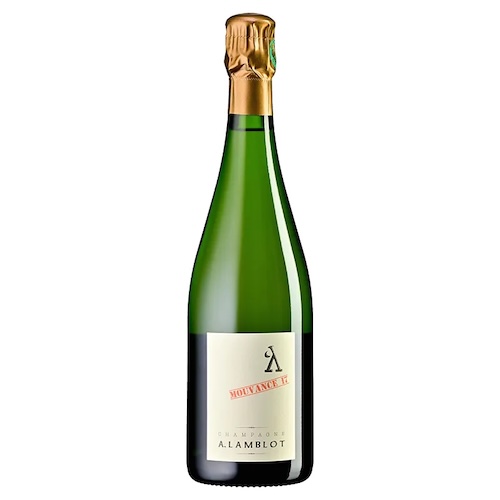
Favorite 5: Alexandre Lamblot – Mouvance Brut Nature 2017. (Image: supplied)
Here are some recommended combinations of Brut Nature champagne and cheese that create particularly exciting connections on the palate:
- Fresh goat cheese (chèvre) — The crisp classic. Especially young fresh goat cheeses, spicy and slightly lemony, with a creamy front and back, are a perfect match for Brut Nature. A mineral Blanc de Blancs Brut Nature highlights the acidity and herbal notes of the goat cheese. The combination has an excitingly fresh taste, with the citrus and green apple notes of the champagne accentuating the cool acidity of the cheese — it lets both shine. The perlage ensures that the often mild salty-goaty aftertaste evaporates and resets the excitement with each bite. Sommelier rule of thumb: «Cheese and Blanc de Blancs always work — especially when the champagne is bone dry and moderately aged,» says Marc Almert. A Brut Nature Chardonnay from chalky soils is thus a good bet for goat cheese.
- Aged Comté or Gruyère (hard cheese, 18 months to 3 years) — Umami and delicacy. A well-aged Comté from the French Jura brings crystalline salt crystals, nutty perfume, and caramel notes. The perfect match is a strong, slightly aged Brut Nature, such as a powerful Blanc de Noirs (Pinot Noir/Meunier) from a great year (ideally with a touch of oak aging). This type of champagne has the body and spice to stand up to this rather intense cheese. The oxidative notes (of sherry, dried fruit) in a long lees-aged Brut Nature do a great job mirroring the complex umami flavors of Comté. Both come together in a nutty-spicy flavor medley where neither the cheese nor the wine dominates — a truly perfect fusion. The high acidity keeps the palate fresh despite the cheese’s weight. Wine pros swear Comté is a «dream cheese» for champagne, and in the Brut Nature version, the pair feels especially precise and elegant.
- Blue cheese (Roquefort, Bleu d’Auvergne, Stilton) — Strong and bold. Blue cheese is (controversially) a difficult partner for wine, but a well-selected Brut Nature champagne can work wonders. The salty, spicy punch of a Roquefort, for example, usually calls for sweetness — yet the contrast with a Brut Nature is captivating. The ideal is a robust, steely vintage Brut Nature champagne, even like the Brut Nature rosé, which has gained some fullness and creaminess through long aging. A fruit-forward and subtly tannic rosé champagne (from Pinot Noir) harmonizes with blue cheese without surrendering its grip to sweetness. The dryness of the finish sweeps the palate after this intense cheese texture, while the yeast note of the champagne brings a glove-like clarity to the earthy noble mold aromas. This can be a bold combination — certainly a wonder for brave adventurers. Some sommeliers instead recommend off-dry sparkling wines with blue cheese. But after trying the complex interplay of salty blue cheese with razor-sharp dry champagne, you’ll understand why the move requires courage. You’ll want a Brut Nature with some body so the cheese is not overwhelmed, and then you get a fascinating set of contrasts: salt against acidity, cream against fizz.
Brut Nature champagne and cheese form a duo that unites palate pleasure and contemporary spirit. On one side, the unadulterated, trendy champagne style — a product for explorers who seek the real thing and want to enjoy champagne in its purest form. On the other, traditional cheese specialties, from delicate goat cheese to character-strong blue cheese, which reveal entirely new facets with the right wine companion. Together, they create a gastronomic experience that delights even the most discerning connoisseurs.
For the wine industry, Brut Nature is an exciting growth field, showing how changing consumer preferences (keyword: less sugar, more authenticity) directly lead to new enjoyment concepts. Champagne responds with innovative spirit — and lovers of high-quality culinary experiences benefit. Champagne Brut Nature and cheese — that’s learning just how exciting «dry» can be.
Give it a try: this interplay of bone-dry elegance and spicy creaminess is sure to deliver a delightful aha moment. In this sense: Bon appétit and Santé!

Peter Jauch is…
… a spirits sommelier with a penchant for high-class cocktails, which he loves to pair with fine food.
… author of coffee-table books on GIN & CHAMPAGNE.
… an experienced spirits and champagne tasting host.
… organizer of an experiential festival together with friends.
HERE you’ll find a detailed review of his Brut Nature favorites (article in German).