BMW Switzerland CEO: «Half of Our Sales Are B2B»
At the BMW Brand Experience Center in Dielsdorf, we meet Sergio Solero, a seasoned automotive professional with decades of experience at BMW. Originally from the Dolomites, the Italian grew up surrounded by winding mountain roads—a fitting backdrop for someone who embodies the «Freude am Fahren» philosophy, the German original of the brand’s «Pure Driving Pleasure» motto.
Now newly settled in Switzerland—though familiar with the country from youthful vacations in St. Moritz—Solero approaches his role with determination. His appreciation for the Swiss market and its unique characteristics is evident, as is his eagerness to immerse himself in the critical details of his position. Thoughtful and observant, he seems well-prepared to navigate both the opportunities and challenges of leading BMW in Switzerland.
You’ve been leading BMW Switzerland for over six months now. What aspects of this market have stood out to you the most?
Switzerland’s diversity. While I knew it from the outside, experiencing it firsthand has been something else entirely. Each of the 26 cantons has its own identity, and navigating this patchwork of cultures and languages has been both impressive and challenging. I’ve been traveling across the country—from Romandie to Ticino—and while I can manage in French, I’ve taken up lessons to connect more deeply with the people here.
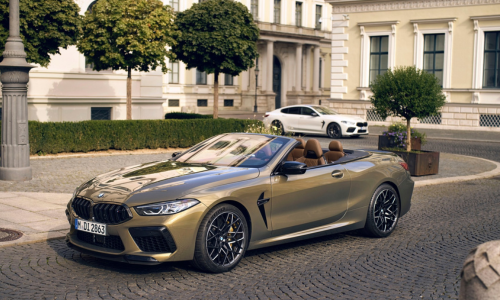
«Perfect for exploring Switzerland’s scenic routes»: BMW M8 Competition. (Image: Courtesy)
What makes Swiss customers unique?
They love their high-end cars. Models like the BMW M derivatives and MINI John Cooper Works are especially popular here. In fact, Switzerland is one of our top global markets for premium vehicles. But it’s not just about luxury—Swiss customers place great value on quality and innovation, perfectly aligning with BMW’s core values.
You mentioned challenges. What has surprised you most about Switzerland?
The urban charging infrastructure for electric vehicles—or the lack of it. While the highway network has decent fast-charging facilities, it’s a different story in cities. Whether in residential areas, workplaces, or public parking areas, the infrastructure for EV charging lags significantly behind countries like Germany and even parts of northern Italy. If we want to encourage more people to go electric, this gap needs to be addressed quickly.
And then there was the recent recall...
Yes, the recall due to Integrated Brake System issues was another challenge—not unique to Switzerland. Recalls are tough, both financially and operationally, but our priority is always safety and transparency to our customers. In this case, the brakes themselves weren’t the issue—it was, in very specific cases, the assistance system. We worked closely with Swiss authorities like the Federal Roads Office (FEDRO) to resolve it. Modern diagnostics allow us to detect each potential problems with a particular car several days in advance, which gives us time to notify drivers and take action.
Looking back a few decades, BMW wasn’t always seen as a natural fit for the Swiss market. How would you describe its position today?
Historically, you’re right. Some competitors were quicker to meet the needs of Swiss customers, especially with all-wheel-drive vehicles. That’s changed dramatically. Our «xDrive» technology is now a staple here—over 80 percent of our sales in Switzerland include all-wheel drive.
«We offer options for everyone, from top executives, who often go for models like the X5 or 7 Series, to mid-level employees who prefer the X1 or 3 Series Touring.»
What’s unique today is how strong Switzerland has become for our premium products. Whether it’s M models or fully equipped 5 Series Touring cars, Swiss customers have a taste for quality and performance. It’s one of our strongest markets globally for high-end BMWs.
Among the premium brands, BMW has recently become number 1… What’s driving this success?
It’s a combination of factors. First, our product strategy is versatile. While the future is clearly electric, we continue to offer a range of solutions—plug-in hybrids, petrol, and diesel— recognizing that not every market progresses at the same pace. This approach lets us meet diverse customer needs, during the transition phase.
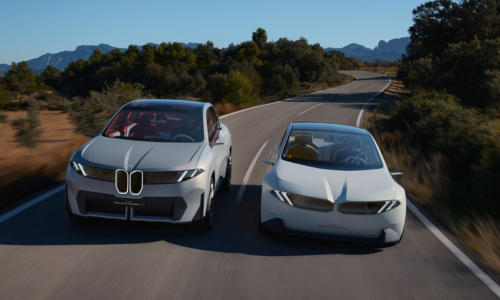
A Glimpse of the Future: Vision Neue Klasse X. (Image: Courtesy)
Second, local partnerships have been crucial. Emil Frey, for example, has been with us for over 55 years, even before BMW had a direct presence in Switzerland. The same for other local retail partners, proudly working with us since decades.
And third, our team in Switzerland. Many of our employees have been with BMW for many years, and their dedication shows. Coupled with this is our robust financial services arm, which plays an integral role in our ecosystem.
Let’s talk more about financial services. How does BMW collaborate with Switzerland’s financial sector?
Financial institutions are some of our best customers through B2B offering, and our own financial services division is also a huge asset. We operate through three brands: BMW and MINI Financial Services for private and corporate clients, Alphabet for multi-brand fleet solutions, and Alphera, which supports used car financing.
Switzerland is unique because over 70 percent of BMW and MINI vehicles are sold with a financial product. This reflects the sophistication of our offerings—from leasing plans to insurance packages—and emphasizes how well we meet both private and corporate needs.
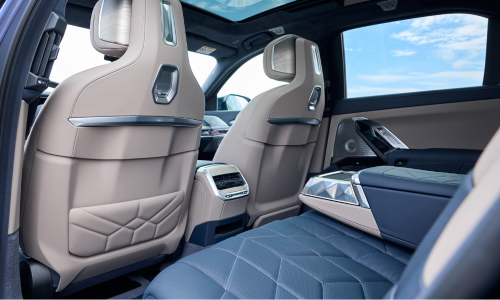
For CEOs and Federal Councillors: Interior of the BMW i7 Limousine. (Image: Courtesy)
Which models are particularly popular in Switzerland?
Touring models like the 3 Series and 5 Series are always favorites, along with SUVs like the X1 and X3. The X1, in particular, is a hit with corporate clients, while the new X3 is set to be a top seller next year.
«Over 80 percent of our sales in Switzerland include all-wheel drive.»
On the MINI side, the Convertible is a standout—it accounts for 20 percent of local sales here. That says a lot about how much Swiss drivers enjoy open-top motoring. In the luxury segment, the 7 Series, especially the electric i7, is another highlight. Even some Swiss Federal Councillors use it as their official car, highlighting its exceptional comfort and innovative features, especially while working during transfers.
Looking ahead, what can Swiss customers expect next year?
There’s a lot to be excited about. The «Neue Klasse» platform, which debuts at the IAA in Munich next year, is a major step forward. This all-electric platform will set new benchmarks for performance and technology. On the MINI side, the first all-electric John Cooper Works models, and the new Convertible, are highly anticipated. We’re also expanding our Motorrad lineup to attract even more motorcycle riders.
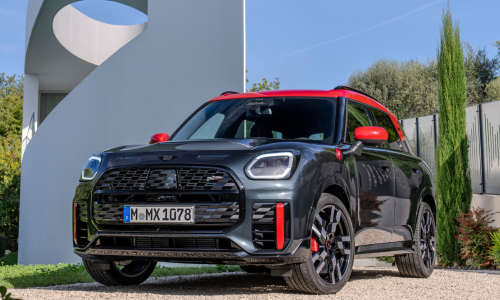
John Cooper Works Countryman. (Image: Courtesy)
BMW is transitioning to an agency sales model in Europe. What does this mean for Switzerland?
In the traditional model, dealers purchase vehicles from manufacturers and sell them to customers. In the agency model, BMW becomes the direct seller, with the support of the retail partners, our «local heroes». We manage pricing and inventory, while our dealers act as retail partners, facilitating sales and providing services.
Politically, the new model has sparked some controversy in Switzerland. Why?
The shift challenges the traditional dealership system. For customers, however, it means transparent pricing nationwide and a seamless experience, whether they shop online or in person. Dealers also benefit because they no longer have to finance large inventories, which frees them up to focus on delivering great customer service.
The model aligns with what younger customers want—an omni-channel shopping experience where they can move easily between online browsing and in-person interactions. By centralizing inventory, we can offer more choices without the delays of traditional ordering systems.
Fleet and corporate sales are a big part of BMW Switzerland. What makes your approach stand out?
Around 50 percent of our cars are sold through B2B channels, so it’s a key part of our business. What sets us apart is our flexibility. We offer options for everyone, from top executives, who often go for models like the X5 or 7 Series, to mid-level employees who prefer the X1 or 3 Series Touring. Companies aiming to reduce their carbon footprint are increasingly choosing models like the i4.
«Swiss customers place great value on quality and innovation, perfectly aligning with BMW’s core values.»
Our financial services also play a big role. We provide total cost of ownership solutions, by bundling leasing, insurance, and maintenance into a single comprehensive package. This simplifies budgeting for companies and makes fleet management more efficient.
And personally, what car are you driving?
That’s one of the perks of my job—I get to try everything! Recently, I’ve been driving the M8 Convertible Competition. It’s perfect for exploring Switzerland’s scenic routes, especially on weekends in the Alps. Before that, I had the fully electric iX and the M760 plug-in hybrid, both of which highlight BMW’s range of capabilities. Each car offers something unique, and I enjoy experiencing them all. I am now waiting to get the new M5 in this days, perfect synthesis of the M high performance but also the modern capabilities of a Plug-in hybrid, to drive fully electric downtown Zürich.
Since March 2024, Sergio Solero is the President and CEO of BMW Switzerland, where he oversees all operations in Switzerland. With over two decades of leadership experience at BMW, he has held global roles in sales, marketing, and retail development, driving customer satisfaction and innovative strategies. Before his current position, he was Vice President for Retail Development at BMW Group, shaping the future of retail and customer journeys worldwide.